
Network Function Virtualization: A Practical Telecom Guide

Network function virtualization, or NFV, separates the software that performs a network function from the dedicated appliance that traditionally hosted it. A firewall, gateway or other network function can then be deployed on a shared infrastructure platform, subject to its performance and operational requirements.
The attraction is flexibility: operators can manage software lifecycles and infrastructure capacity more independently. The challenge is that a telecom service still needs dependable packet processing, connectivity, state management and recovery. Turning an appliance into a virtual machine does not automatically solve those problems.
Table of Contents
Network function virtualization: Understand the main building blocks
| Term | Meaning in a deployment | |
|---|---|---|
| 1 | Network function | The network behaviour a service needs, such as packet filtering or gateway processing. |
| 2 | VNF | A virtualized implementation, commonly delivered using virtual machines. |
| 3 | CNF | A cloud-native or containerized network-function implementation; assess its actual design rather than the label alone. |
| 4 | NFVI | The compute, storage, networking and virtualization resources that host functions. |
| 5 | MANO | Management and orchestration for network-service and function lifecycles. |
Terminology varies between standards and products. A CNF is not always treated as a separate category from VNF in standards work. Ask how the supplier describes its components, dependencies and lifecycle rather than assuming the acronym guarantees a particular architecture.
How NFV changes telecom operations
With dedicated appliances, adding capacity may involve procurement, installation and device-specific work. With NFV, some capacity and deployment tasks become software-driven. Teams can define repeatable provisioning and update procedures and share infrastructure across compatible functions.
That can improve resource use, but savings must be measured. Include licensing, spare capacity, acceleration hardware, energy, support, integration and the people needed to run the platform. A lower hardware purchase price can be offset by added operational complexity.
NFV and SDN are related, but different
NFV concerns how network functions are implemented and hosted. Software-defined networking concerns programmable network control and connectivity. A deployment may combine them to connect functions and enforce traffic policy, but neither term is a synonym for the other.
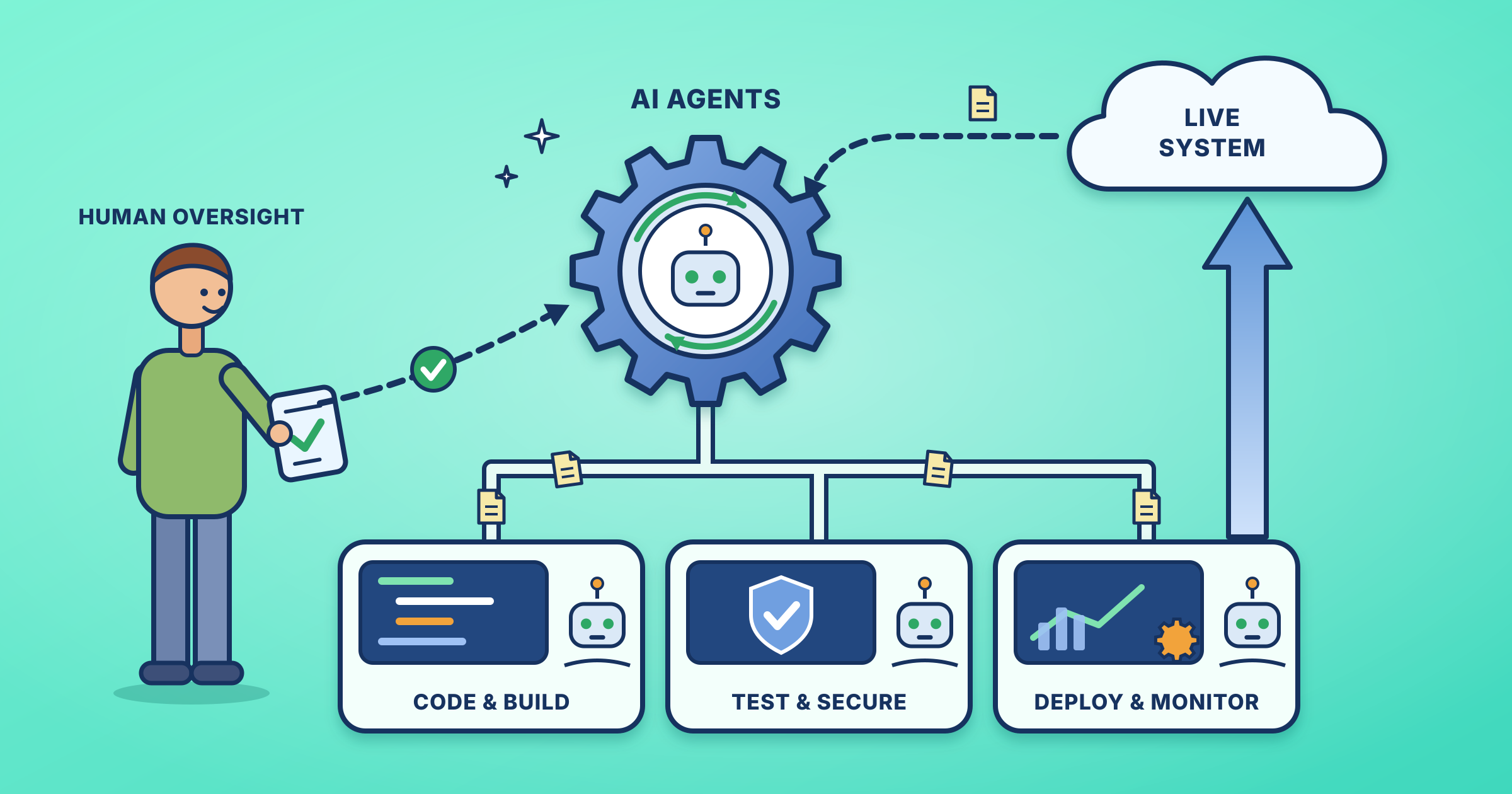
A network function virtualization design should identify which team operates each software and infrastructure layer.
For example, deploying a virtual firewall does not by itself guarantee that customer traffic traverses it. Connectivity, routing and service-chain validation remain part of the design. Test both the function and the path through the service.
What MANO contributes
Lifecycle management needs to coordinate instantiation, configuration, scaling, healing and termination across components. ETSI NFV-MANO provides a framework for those responsibilities. The infrastructure manager, function lifecycle and service orchestration layers need agreed interfaces and a clear ownership model.
ETSI Open Source MANO is one implementation to evaluate for multi-layer and multi-cloud orchestration aligned with NFV work. Do not assume that standards alignment removes all integration work. Check supported infrastructure, descriptors, versions and operational workflows in a trial.
Where OpenStack and Kubernetes fit
OpenStack is often used to manage virtualized compute, storage and networking for VM-based functions. Kubernetes manages containerized workloads and can form part of a CNF platform. They can coexist, and neither is automatically the right platform for every function.
Moving a VNF into a container is not, on its own, a cloud-native redesign. Examine upgrade behaviour, persistent state, recovery, observability and the ability to scale independently. Kubernetes can restart a container, but the application still has to restore a valid network-service state.
Plan for packet-processing requirements
Telecom workloads can have strict latency, throughput and jitter requirements. Benchmark the real packet sizes, traffic patterns and features you will use. Include encryption, logging and failure recovery in the measurement; a clean laboratory forwarding rate may omit expensive production work.
Evaluate network function virtualization using a representative service, including failure and recovery behavior.
Some functions need CPU placement, NUMA awareness, huge pages or network acceleration. OpenStack supports SR-IOV networking, which can assign virtual NIC functions to instances and bypass parts of the software switching path. That can change performance and also affect mobility, visibility and operational choices.
Use acceleration when the tested requirement justifies it. More specialized infrastructure may reduce the placement flexibility that made virtualization attractive in the first place.
A sensible migration sequence
- Choose one service: document its interfaces, state, load and recovery needs.
- Define acceptance criteria: agree throughput, latency, availability and operational checks.
- Build a representative trial: include the infrastructure and traffic path you intend to operate.
- Exercise failure and upgrades: test host loss, link failure, configuration errors and rollback.
- Move traffic gradually: monitor service outcomes and retain a route back until acceptance is complete.
Include tenant isolation, administrative access, trusted images, patching and protected configuration. Virtualizing a firewall does not make the underlying management plane secure. Separate customer traffic from management paths and verify the boundaries.
Network function virtualization: frequently asked questions
Does Kubernetes replace NFV-MANO?
Not automatically. Kubernetes handles container workloads; end-to-end telecom service orchestration may involve additional lifecycle, connectivity and multi-platform coordination. The architecture determines which responsibilities belong where.
Does NFV guarantee lower costs?
No. Compare the complete operating model and measured service performance against the existing approach. Flexibility is valuable only when the resulting system meets the service requirement.
From dedicated boxes to software functions
Traditionally, telecom services ran on specialised hardware. NFV runs functions such as firewalls, routers and session controllers as software on standard servers, which speeds deployment and reduces hardware dependence.
Core building blocks
The architecture includes virtualised network functions, an infrastructure layer for compute and networking, and a management and orchestration layer that deploys, scales and heals functions automatically.
Benefits and challenges
Operators gain flexibility, quicker service launches and better resource use. Challenges include performance tuning, integration with existing systems, skills and the need for strong automation and monitoring.
Adoption tips
Start with one function, measure latency and throughput, automate deployment and plan security carefully, because software functions share infrastructure.
Readers often ask how network function virtualization fits into a busy schedule, and the honest answer is that network function virtualization works best when it is treated as a steady practice rather than a one-time effort. If you are just starting with network function virtualization, begin small, review what you learn, and return to network function virtualization whenever you need a clear reference. Whatever your experience level, network function virtualization becomes easier once you apply it in real situations and share what you discover with others. In short, network function virtualization rewards patience, curiosity and consistent attention over time.
Frequently asked questions
How does NFV relate to SDN? They complement each other: NFV virtualises functions, SDN controls network paths.
Does NFV lower cost? Often over time, though migration has upfront effort.
Is it only for telecom? Enterprises also use similar ideas.
Key takeaways
- NFV turns network functions into software.
- Orchestration is the key capability.
- Start small and measure performance.
References and related reading
- ETSI infrastructure and network virtualization
- ETSI NFV-MANO white paper
- ETSI Open Source MANO
- OpenStack SR-IOV networking
- Choosing a VoIP platform
Related reading: IoT to IoE: The Importance of Security
Keep exploring: See all Linux and developer guides.
Leave a Reply