
IoT to IoE: The Importance of Security
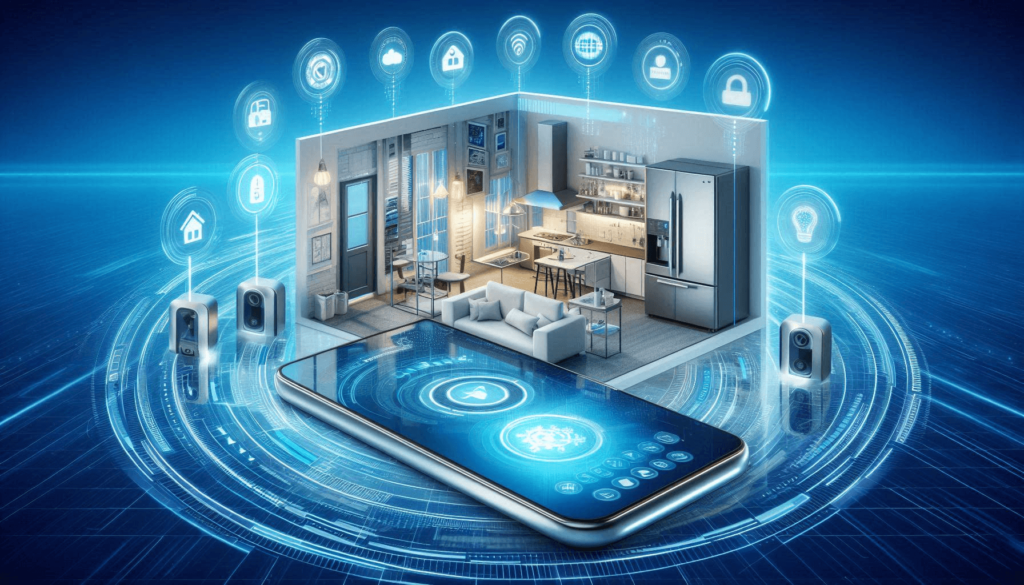
Connecting more devices also creates more places to manage identity, access and data. The Internet of Everything extends the discussion beyond devices to the people and processes around them. Security needs to account for those relationships as well as the connected hardware.
1. Smart Homes and Buildings
Use Case:
Smart homes equipped with connected devices like thermostats, security cameras, and smart locks enhance convenience and energy efficiency. Smart buildings take this a step further by integrating HVAC systems, lighting, and access controls.
Security Importance:
These environments require robust security protocols to prevent unauthorized access and ensure the privacy of residents. A breach in a smart home system could lead to personal data theft, while a compromised smart building system could disrupt operations and pose safety risks.
Security Measures:
- Implementing strong encryption for data transmission.
- Regularly updating firmware and software to patch vulnerabilities.
- Using multi-factor authentication (MFA) for device access.
2. Healthcare and Wearable Devices
Use Case:
IoT-enabled healthcare devices, such as wearables and remote monitoring systems, collect and transmit patient data to healthcare providers for real-time monitoring and diagnostics.
Security Importance:
The sensitivity of health data necessitates stringent security measures to protect against breaches that could compromise patient privacy and safety.
Security Measures:
- Employing end-to-end encryption for health data.
- Adhering to regulatory standards such as HIPAA.
- Ensuring secure data storage and access controls.
3. Industrial IoT (IIoT) and Manufacturing
Use Case:
In manufacturing, IIoT connects machinery, sensors, and control systems to optimize production processes and maintenance schedules.
Security Importance:
A security breach in IIoT systems can lead to significant disruptions, financial losses, and safety hazards. Ensuring the integrity of industrial systems is critical to maintaining operational continuity.
Security Measures:
- Implementing network segmentation to isolate critical systems.
- Conducting regular security audits and vulnerability assessments.
- Utilizing intrusion detection and prevention systems (IDPS).
4. Connected Transportation and Smart Cities
Use Case:
Connected transportation systems, including autonomous vehicles and smart traffic management, aim to improve traffic flow and reduce accidents. Smart cities integrate these systems with utilities, public services, and infrastructure.
Security Importance:
The complexity and scale of these systems make them attractive targets for cyberattacks. Securing transportation and city infrastructure is essential to prevent chaos and ensure public safety.
Security Measures:
- Developing resilient and redundant systems to withstand attacks.
- Implementing secure communication protocols for vehicle-to-everything (V2X) interactions.
- Collaborating with public and private sectors to establish comprehensive security frameworks.
5. Retail and Smart Payment Systems
Use Case:
IoT in retail enhances the shopping experience through smart shelves, personalized promotions, and automated checkouts. Smart payment systems streamline transactions and reduce wait times.
Security Importance:
With the increase in digital transactions, securing payment data is crucial to prevent fraud and protect consumer trust.
Security Measures:
Using tokenization and encryption for payment data.
Ensuring compliance with Payment Card Industry Data Security Standard (PCI DSS).
Monitoring for suspicious activity and implementing real-time fraud detection systems.
In summary, The transition from IoT to IoE brings unprecedented opportunities for innovation and efficiency. However, it also introduces new security challenges that must be addressed proactively. By implementing robust security measures and staying vigilant against emerging threats, we can harness the full potential of IoE while safeguarding our interconnected world.
For enterprises, this means not only investing in cutting-edge technology but also fostering a culture of security awareness and resilience. As we navigate this new era, the importance of security cannot be overstated—it is the foundation upon which the future of connectivity is built.
Leave a Reply